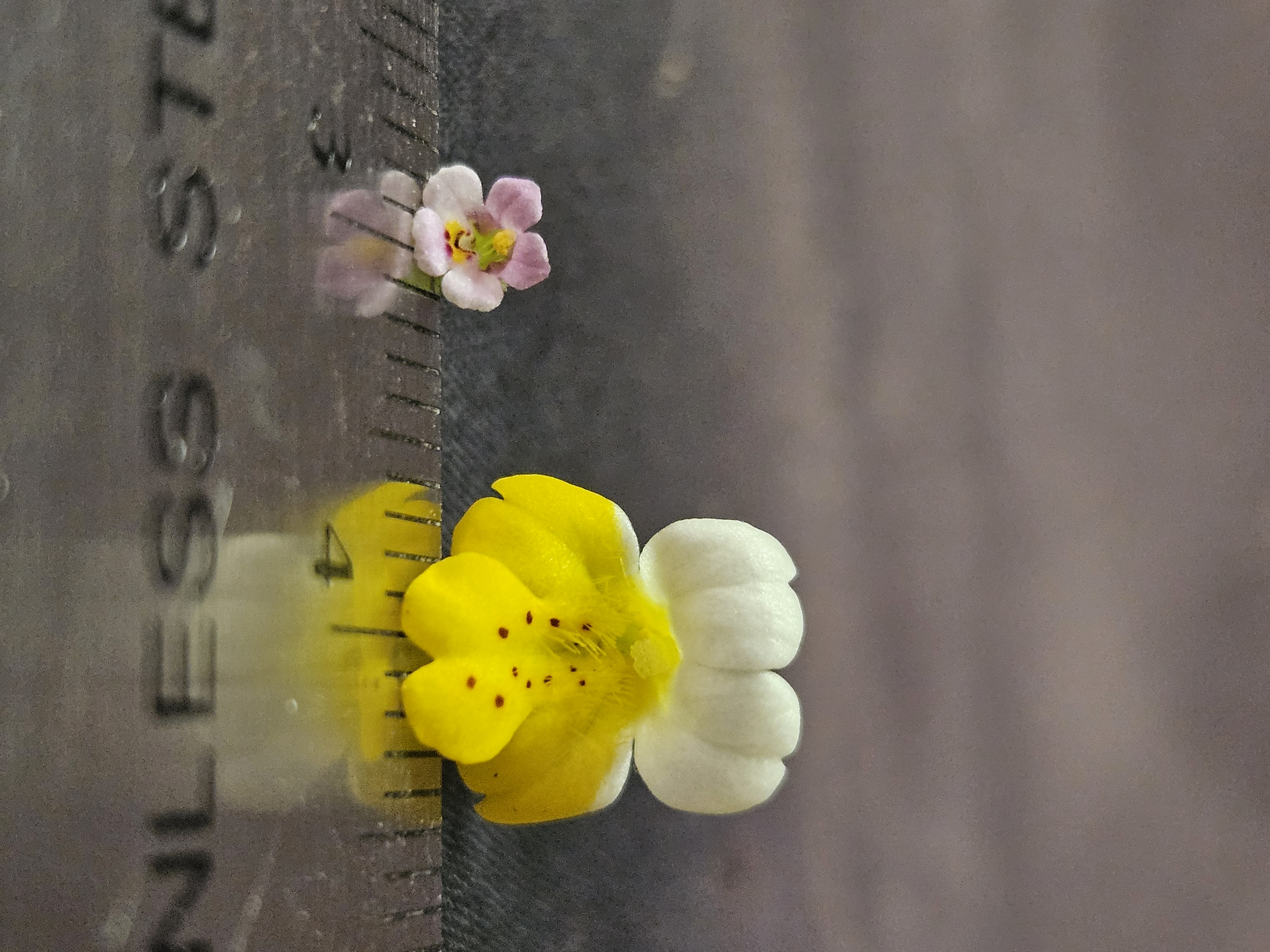
Reproductive mode and mating system transitions in plants

Self-fertilization (selfing) and clonal reproduction have evolved repeatedly in plants, yet both have very deleterious impacts on genetic diversity and make it more challenging for these plants to respond to selective pressures. I am fascinated about the processes that mediate the origin and persistence of these diverse reproductive modes in plants.

In July 2025, I was awarded an NSF Postdoctoral Fellowship in Biology to investigate the genetic and environmental factors that mediate the origin and persistence of selfing in monkeyflowers. I am really excited to investigate these questions in multiple transitions to selfing in Mimulus, which all have vastly different niches, ranges, etc.
The intertwined evolution of genomes and epigenomes

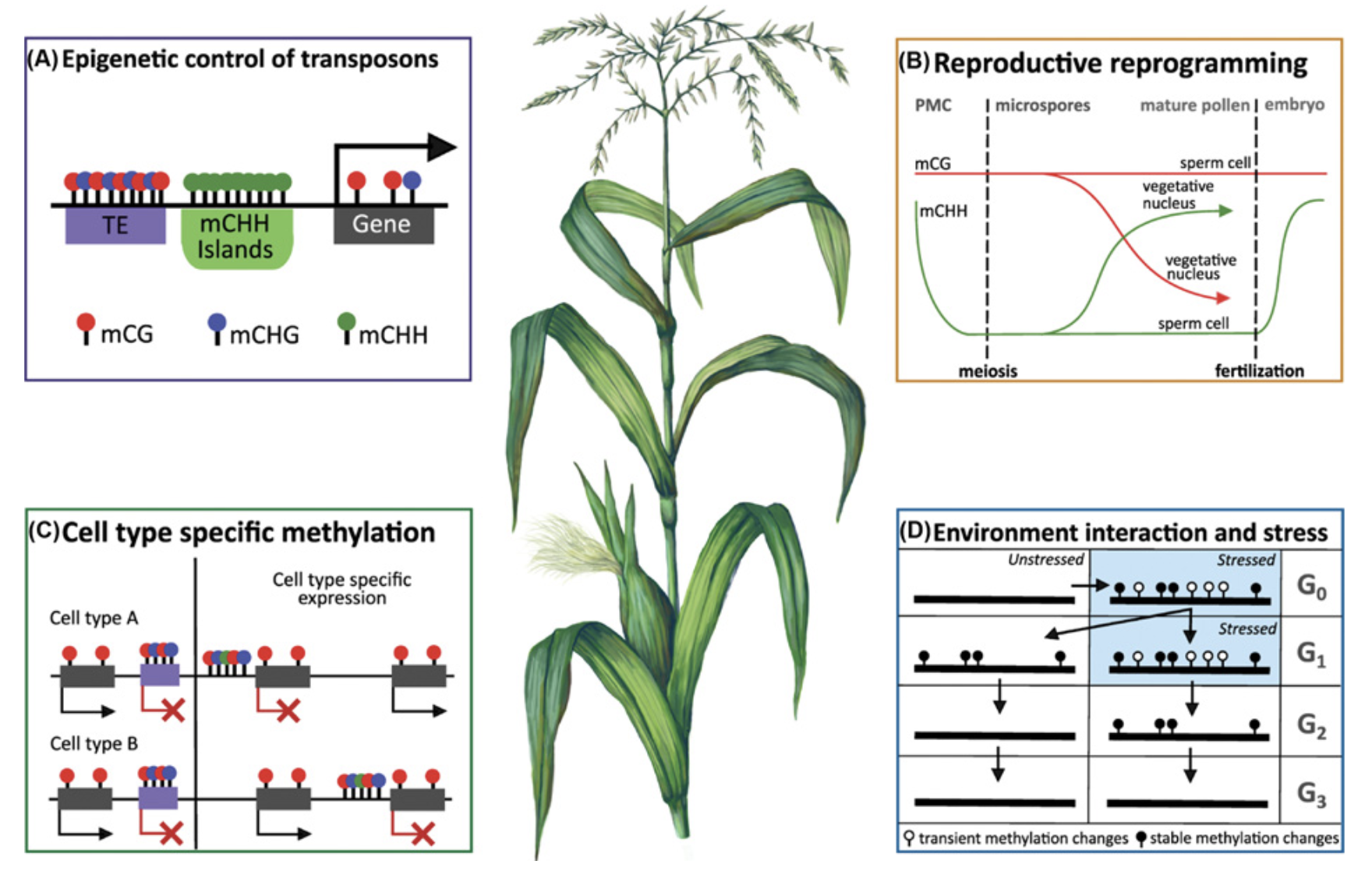
DNA methylation is a highly conserved modification to DNA in which a methyl group is added (typically) to a cytosine. It is thought to have evolved initially to regulate transposable element (TE) expression, to prevent harmful DNA transpositions within the genome. However, DNA methylation itself is mutagenic and can cause the deamination of cytosines to thymines, making C-T transitions one of the most common mutation types in plant genomes. I am fascinated by how genomes and epigenomes evolve together through evolutionary time, particularly with how DNA methylation is both a mutation-reducing force and mutagenic itself. I wrote a review about this in 2021 here.

The impact of reproductive modes on genome and epigenome evolution in plants

As ongoing work from my PhD and postdoc, I am interested in understanding how reproductive modes (e.g., selfing and clonal reproduction) influence genome and/or epigenome evolution in plants.


I talk more about some of this work from my PhD investigating how clonal reproduction impacts DNA methylation in flowering plants at the New Phytologist next generation scientists meeting from 2024 here.


I am currently investigating how the transition to selfing impacts TE evolution in monkeyflowers, as well as DNA methylation patterns generally and within developing ovules.